



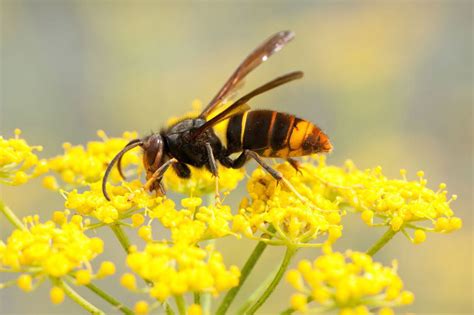
Yellow-Legged Hornet in Auckland – What You Need to Know
Practical safety tips and identification guide – ACES Pest Control Auckland
The yellow-legged hornet (Vespa velutina) has recently been detected on Auckland’s North Shore, with confirmed finds of queens in Glenfield and Birkdale. As this new invasive pest gains attention, here is a simple, practical guide to help you stay safe, recognise the hornet, and know what to do if you think you’ve seen one.
Where Did the Yellow-Legged Hornet Come From?
The yellow-legged hornet is native to Southeast Asia, but has successfully spread into other parts of the world:
Now established across Europe, where it is considered a major invasive pest
Recently detected in Auckland, with multiple queens found during MPI surveillance
Early detection is important, but sightings can be difficult because these hornets often nest high in trees or in areas people rarely visit.
How to Identify the Yellow-Legged Hornet
If you think you’ve spotted one, look for these key features:
1. Larger Size
Bigger than German, common, or paper wasps – size is usually the first thing people notice.
2. Darker Body
The hornet appears darker overall, with less yellow than the common wasps found in NZ.
3. Bright Yellow Legs
This is the easiest way to identify them:
Distinctive yellow legs
NZ wasps normally have black legs
4. Flight Pattern
Flies like a German wasp with legs tucked up
Paper wasps fly with legs hanging down – very different in comparison
5. Louder Buzz
Their larger size means they produce more noise.
Often you’ll hear them before you see them.
Where Do Yellow-Legged Hornets Nest?
Their nesting habits differ from common NZ wasps:
Nests are free-hanging, usually from tree branches
Made from paper-like material (chewed wood fibres)
Tan-brown, rounded, ball-shaped
Often located high off the ground, making them easy to miss
If you see a round, hanging nest in a tree:
Do not approach it.
Do They Sting? Are They Aggressive?
Yes — and yes.
Like all wasps, they will aggressively defend their nest.
However, the yellow-legged hornet is more dangerous because:
It is larger
It delivers more venom
It can push its stinger through some protective clothing
Overseas, these hornets have penetrated bee suits during attacks.
Do not attempt DIY control.
If you find a nest:
Do NOT spray it
Do NOT get close
Back away immediately
Contact MPI or a professional pest controller
A mistake with this species can lead to multiple painful stings.
Can They Be Baited?
Yes.
Yellow-legged hornets respond well to protein-based wasp baits, similar to German and common wasps.
This makes monitoring and control more effective once professionals are involved.
However bait in Urban areas is considerably less effective than in rural areas due to food competition such as dumpsters, compost heaps, fruit trees etc.
Why Is This Hornet a Problem for New Zealand?
New Zealand already deals with invasive wasps — German, common, and paper wasps (the latter introduced intentionally decades ago).
The yellow-legged hornet adds new risks, especially to honeybees.
Yellow-legged hornets:
Hunt honeybees aggressively
Kill bees at hive entrances- decapitate the bees and then flies their body back tho their nest to consume them.
Can destroy entire hives
Place major pressure on pollinators already stressed by varroa and disease
Protecting honeybees is critical for NZ’s environment and food production.
What To Do If You Think You’ve Seen One
Take a photo (from a safe distance)
Note the location
Do NOT approach the nest
Contact MPI immediately:
0800 80 99 66You may also contact a professional pest controller for advice
Your report could help track their spread.
Need Help or Advice?
ACES Pest Control is closely monitoring the situation and can assist with identification or safety concerns. If you’re unsure whether you’ve seen a yellow-legged hornet, get in touch — it’s better to be safe.
Where Did the Yellow-Legged Hornet Come From?
The yellow-legged hornet is native to Southeast Asia, but has spread internationally:
Now established across Europe
Known to cause serious issues for honeybees
Recently detected in Auckland with multiple queens found
MPI is monitoring the situation, but public awareness is crucial.
How to Identify the Yellow-Legged Hornet?
If you’re concerned about wasp pest control in Auckland, here are the features that distinguish this hornet from the usual German, common, or paper wasps:
1. Larger Size
Typically bigger than the wasps commonly seen in New Zealand.
2. Darker Colouring
Darker overall, with less yellow than German or common wasps.
3. Bright Yellow Legs (the key identifier)
Clear yellow legs
Other NZ wasps have black legs
4. Flight Behaviour
Flies with legs tucked up (similar to German wasps)
Very different from paper wasps, which fly with legs hanging down
5. Louder Buzz
Their larger size means more noise — often noticeable before they are seen.
If you’re unsure, contact ACES Pest Control for help identifying Auckland wasps safely.
Where Do Yellow-Legged Hornets Nest?
Understanding nesting behaviour is vital for pest control Auckland wasps, especially when dealing with a new species.
Yellow-legged hornets:
Build hanging nests in the open, usually in trees
Create round, ball-shaped nests
Use paper-like material (chewed wood fibres)
Construct tan-brown nests often high off the ground
These nests differ from German or common wasps, which favour ground sites or wall cavities.
If you see a ball-shaped nest hanging from a tree, back away immediately.
Do They Sting? Are They Aggressive?
Yes — these hornets can be aggressive and their sting is painful.
Like all wasps, they defend their nests strongly. However, the yellow-legged hornet can be more dangerous due to:
Larger size
Greater venom volume
Ability to push a stinger through some protective gear
Do not attempt DIY wasp control.
If you find a nest:
Do NOT spray it
Do NOT disturb it
Call MPI or a professional specialising in Auckland wasp pest control
Mistakes with this species can result in multiple painful stings.
Can They Be Baited?
Yes.
This species responds well to protein-based wasp baits, similar to German and common wasps.
Professional baiting is recommended for safety.
Why the Yellow-Legged Hornet Is a Serious Wasp Pest for Auckland
New Zealand already deals with several invasive wasps, but the yellow-legged hornet poses additional risks, especially to honeybees.
These hornets:
Hunt honeybees at hive entrances
Kill forager bees
Can destroy entire colonies
Place extra pressure on pollinators already stressed by parasites
Protecting honeybees is vital for Auckland’s environment and food supply.

COST EFFECTIVE PRICING
The cost of pest control varies depending on the type of service required and the level of support included.
Business Services
Many businesses require regular pest control to meet monitoring and compliance obligations set by agencies such as MPI and local councils.
For food-related industries in particular, scheduled pest management is standard practice.
Visit frequency depends on both the business requirements and the pest control company’s programme.
Residential Services
Most residential customers need pest control once or twice a year, such as an insect spray in summer or urgent rodent control at the start of winter.
Treatment types and follow-up needs can differ depending on the severity of the issue.
Pricing Across Pest Control Companies
Every company sets pricing differently.
Some provide guarantees and charge only for the initial treatment, while others operate on a pay-as-you-go model.
ACES Pricing
ACES is a mid-priced pest control company.
We use premium products, sourced mainly from Germany and the USA, ensuring safe and effective treatments every time.
We pride ourselves on being professional, reliable, and delivering high-quality results.
We are never the cheapest, and never the most expensive — we simply offer excellent value for a premium service.
ACES is happy to provide a quote at any time, based on our commitment to being a mid-priced, professional company offering safe, effective pest control solutions.
LASTEST TECHNOLOGY AND TECHNIQUES

FAQS
Auckland Exterminator Frequent Asked questions ( FAQs)
Q: ANTS, WHAT PREPARATION IS REQUIRED FOR ANT TREATMENT FOR AUCKLAND?
A: Nothing. No preparation treatment. You do not need to leave the house.
Q: ANTS, CAN SOME ANTS EAT THE WOOD MY HOUSES FOR AUCKLAND?
A: No. None of NZs pest ant species eat wood.
Q: ANTS: FOR AN ANT TREATMENT HOW LONG DO I HAVE TO BE OUT OF THE HOUSE FOR AUCKLAND?
A: You don't. We don't do interior spray for ants. You can be there while we do the job.
Q: BEES: IN A STRUCTURE IN AUCKLAND
A: Once bees are inside a structure e.g., a wall they cannot be recovered. Even the Bee association advises they need to be destroyed. If left for some time they will make honeycomb and honey. The honey has a strong pungent odour and will attract more bees in the future. Once they have started making honey you may need to enlist the services of a builder to get inside the structure and remove the honeycomb. Otherwise, new nests of bees will be attracted to smell of the honey.
Q: BEES: OUTSIDE A STRUCTURE (BEE BALL)
A: In spring young vigorous queens leave beehives and take some of the bees with them. They are looking for a suitable place for a new nest. They can form a bee ball. This is where the bees hold onto each other and form a ball of bees. Commonly the ball of bees is suspended from a tree. They are only there for a short time. The good news is that they can be rescued. Call the Bee Association and they will send around a local beekeeper to rehome them. Happy ending for all concerned.
Q: BORER: WHAT PREPARATION IS REQUIRED FOR A BORER TREATMENT?
A: All insulation needs to be removed. All timber needs to be bare (free of paint and varnish). Under the house needs to clear for access to do the treatment. Please clear up hazards e.g. broken glass from under the house.
Q: BORER: HOW LONG DOES A TYPICAL BORER JOB TAKE?
A: Depending on the size of the house and areas treated 1-2 days
Q: BORER: I HAVE SOME FURNITURE WITH BORER HOLES IN IT. CAN YOU TREAT THIS?
A: Sorry we don't offer a service for the treatment of Borer in furniture.
Q: BED BUGS: WHAT PREPARATION IS REQUIRED FOR BED BUGS?
A: Nothing. No preparation treatment.
Q: BED BUGS: HOW MANY BED BUG CALLS TO ACES ARE ACTUALLY BED BUGS?
A: Bed bugs are not common in NZ. Of the people calling saying they have bed bugs, most of these are from UNEXPLAINED BITES. These are people that have not seen a Bed Bug and only have bites. Bed bugs are only 1/20 or less of the people calling in saying they have bed bugs. People with Bed bugs always see them and have no issues sending a photo of one.
Q: BED BUGS: I WENT TO THE DOCTOR WITH SOME INSECT BITES AND HE TOLD ME IT'S BED BUGS?
A: NO! Bites are not diagnostic of the type of pest. Your Doctor is misinformed.
Q: BED BUGS: I HAVE BITES IN A LINE IT MUST BE BED BUGS ?
A: NO! Bites alone cannot diagnose what is biting you
Q: BED BUGS: HOW DO YOU TREAT BED BUGS?
A: Bed bugs require plan based on your situation. This often requires more than just chemical spray.
Q: BED BUGS: I HAVE BITES BUT DON'T HAVE PETS SO IT CAN'T BE FLEAS THEREFORE IT MUST BE BED BUGS?
A: NO! You need to see/ catch/ describe what insect is biting you. Once we have identified the type of pest we can get a plan together.
Q: BED BUGS: I HAVE A FEW BITES FROM AN UNSEEN INSECT IS IT BED BUGS?
A: NO! Bed bugs cannot be diagnosed alone by bites.
Q: COCKROACHES: WHAT PREPARATION IS REQUIRED FOR COCKROACHES?
A: Depends on the species of cockroach you have.
Q: COCKROACHES: I'VE GOOGLED COCKROACHES AND I SAW A GERMAN COCKROACH IN MY BATHROOM. HELP!
A: Unlikely. As German Cockroaches need to be somewhere warm, they are mostly not found in the bathroom. Mostly cockroaches in the bathroom are Bush cockroaches that have come inside by accident.
Q: COCKROACHES: IF I STAND ON A COCKROACH WILL I SPREAD ITS EGGS?
A: NO! This is an urban myth. If you stand on a cockroach, you will kill it and its babies.
Q: COCKROACHES: WHAT DO I NEED TO DO BEFORE A BUSH COCKROACH TREATMENT?
A: Please clear any items on windowsills. Pull curtains back and blinds up. Put food away. Cover pet fish (Gold fish).
Q: COCKROACHES : ARE ALL COCKROACHES FOUND SOMEWHERE WARM
A: NO! Only American and German cockroaches are found in warm areas. The rest prefer cool environments like outside bark gardens and foliage.
Q: FLEAS: WHAT PREPARATION IS REQUIRED FOR FLEAS?
A: Please clear the floors (e.g. clothes electronics) and run the vacuum around the house. Please clear under beds. Pick electronics off the floor e.g. laptops modems. Cover or remove electronics e.g. security cameras. Please put food away, cover pet fish and exclude pets. You need to plan to leave the house for 3 hours to let the spray dry.
Q: FLEAS. HOW DO I TREAT MY PET FOR FLEAS?
A: We do not offer any treatments for pets such as cats or dogs. You need to take the advice of your Vet and use their recommended products to treat your pet.
Q: FLEAS: HOW MANY CALLS FOR FLEAS ARE BED BUGS?
A: Bed Bugs are uncommon in Auckland. 1/500 calls for fleas are Bed Bugs
Q: FLEAS: DO YOUR FLEA TREATMENTS MAKE THE FLEAS GO AWAY IMMEDIATELY?
A: YES! Our treatments kill all the fleas present in the house/business. However cocoons can hatch out new fleas. We add in an Insect Growth Regulator ( IGR) to the flea spray. The fleas in the cocoons can take up to four weeks to hatch out.
Q: FLEAS: HOW LONG DOES A FLEA TREATMENT TAKE TO WORK?
A: Our treatments kill all the adult fleas in the house or business immediately. Cocoons if present will all hatch out within 4 weeks. During the first four weeks as the freshly hatched fleas from the cocoons take their first meal may get a few bites. They then perish when they try to grow.
Q: FLEAS: HOW MANY FLEA TREATMENT CUSTOMERS HAVE A DOG OR CAT?
A: Commonly customers do NOT have a cat or dog. Mostly we don't know where the fleas come from.
Q: FLEAS: DO YOU OFFER FLEA TREATMENTS OUTSIDE OF HOMES/BUSINESSES?
A: No we don’t offer exterior treatments for fleas
Q: FLIES: WHAT IS THE PREPARATION FOR A FLY TREATMENT ?
A: Please put away food, pull up blinds and curtains. Cover pet fish ( Gold fish).
Q: FLIES: DO YOUR FLY TREATMENTS STOP FLIES FLYING INTO MY HOUSE OR BUSINESS?
A: NO! If you want to stop flies coming into your home or business, you need to put up some form of barrier e.g. mesh or close all the doors and windows and air condition the house/business.
Q: GENERAL: DO I NEED TO PUT BEDDING AWAY BEFORE A HOUSE SPRAY?
A: No. This is not required by ACES pest control. This is because we use directional sprayers that only spray where directed.
Q: GENERAL: DO I NEED TO CLEAR OUT WARDROBES BEFORE A HOUSE SPRAY?
A: No. This is not required by ACES pest control.
Q: GENERAL: IVE BOOKED AN INSECT TREATMENT WITH ACES PEST CONTROL, HOW LONG IS THE STAND DOWN PERIOD?
A: It depends on the treatment. Some have no stand down period e.g. ants others have 2-3 hours. The stand down period is to let the spray chemicals dry and settle.
Q: GENERAL: WHAT DO I DO AFTER A HOUSE TREATMENT/SPRAY
A: Once the 2-3 hour stand down period has passed, please re enter the house or business. Please open the windows and doors and let the air move for 30 minutes. Please wipe down any food preparation areas with a damp cloth.
Q: MICE: WHAT PREPARATION IS REQUIRED FOR MICE?
A: Nothing. This a NO preparation job
Q: MICE: THE PLUMBER SAID MICE CHEW WATER PIPES BECAUSE THEY ARE THIRSTY
A: NO! Mice don't drink water as they get moisture from their food. They chew the soft plastic mains pressure water pipes as pleasant past time. The mice are as surprised as you are when water comes gushing out of the mains water pipes.
Q: MICE: ARE EASY TO KILL, WHY SHOULD I PAY AN EXTERMINATOR?
A: True mice are stupid easy to kill. But they are rapid breeders. Without the experience of a Professional pest controller, you are unlikely to get them all. Best to trust the professional who nails all of them every time.
Q: MICE: HOW DID THE MICE GET INTO MY HOUSE?
A: Mice are stupid but predictable. For older homes e.g. villas they come up from under house around the pipes. Normally under the kitchen sink. For new homes on a concrete slab, they come in via the garage door. Uncommonly they can come in via trees touching the roof line.
Q: ORGANIC: ARE YOUR TREATMENTS ORGANIC?
A: No. Our treatments are synthetic chemicals. Many of them have the same safety profile as organic treatments. Remember Lead and Arsenic are organic . Organic doesn't make it safe.
Q: ORGANIC: ARE YOUR TREATMENTS AS SAFE AS ORGANIC TREATMENTS?
A: Yes. Synthetic Pyrethroid sprays have the same safety profile as the Organic ones. They are from the same class and have similar safety profile.
Q: RATS: WHAT PREPARATION IS REQUIRED FOR RATS?
A: Nothing. Rats are NO preparation job
Q: RATS: I CAN HEAR RATS IN MY CEILING SPACE, ARE THEY COMING FROM THE STREAM THAT RUNS NEAR MY PROPERTY?
A: NO! The rats near the stream are the sewer rats that are poor climbers. The noises in your ceiling are either from roof rats who are excellent climbers. Or mice who can sometimes be found in a ceiling space or birds, in particular in spring.
Q: RATS: IF A PEST CONTROL COMPANY USES BAIT TO TREAT RATS WILL THEY DIE INSIDE THE WALLS?
A: UNLIKELY. If the home owner uses non professional grade bait incorrectly you will make the rats sick and they will die in the walls. Professional pest controllers reduce the chance of this happening by their techniques and professional grade products.
Q: RATS: DO ULTRASONIC RAT REPELLING DEVICES WORK?
A: UNLIKELY: There is no scientific evidence that they do or don't. At the moment its all subjective theory and customer comments.
Q: RATS: WILL MY CAT/DOG EAT A POISONED RAT AND DIE?
A: This is called secondary poisoning. It's has been documented in Birds of Prey. It has NEVER been documented in domestic cats or dogs. Anywhere in the world.
Q: RATS: WILL THE TREATMENT AFFECT MY DOG?
A: We use controls that are excluded from your dog. This means your dog doesn't have access to the controls. There is NO risk to your pet dog.
Q: 15 YEAR GAURANTEE BORER: I WISH TO MAKE A CLAIM
A: You need to wait for 9 months for the PestBor to control the Borer larvae. If after nine months you see Frass ( yellow powder) coming from the Borer pinhole please send your invoice number and I will get in contact.
Q: SPIDERS: WHAT PREPARATION IS REQUIRED FOR SPIDERS?
A: Please leave spider webs up. Put food away. Clear window sills, pull curtains back and blinds up. Exclude pets and cover pet fish. Windows shut is preferred but not essential. You need to plan to leave the house for 3 hours. Please schedule house washes before the treatment (not same day or directly after)
Q: SPIDERS: SHOULD I TAKE MY SPIDER WEBS DOWN STRAIGHT AWAY?
A: No. Please wait a week for the spiders to run over the webs then remove them. After a week, please use a broom (not water) to remove the webs
Q: WASPS: WHAT PREPARATION IS REQUIRED FOR WASPS?
A: Nothing. Please leave the nest alone.
Q: WASPS: ONCE YOU HAVE DESTROYED MY WASP NEST WILL IT COME BACK?
A: Once the nest is destroyed it can't come back to life. Once the queen is dead the entire nest dies. Sometimes we take the nest away too
Q: WASPS: I SEE LOTS OF WASPS AROUND MY DECK OUTSIDE WHY IS THAT?
A: Wasps harvest wood to make into paper for their nests. If you have unpainted wood then it could be bringing in the wasps so they can harvest it. You may wish to paint or varnish the wood and the wasps may go else where.
Q: WASPS: HOW DO I FIND WHERE THE WASP’S NEST IS?
A: Wasps fly in one of two directions, either to the nest or to a food and/or water source. You need to observe their flight patterns to find their nest.
Q: WASPS: IM SEEING A LOT OF WASPS HOW FAR AWAY IS THEIR NEST?
A: Wasps fly up to 200m to forge. Your nest (s) is/are within 200m of the wasps you are seeing.
Q: WASPS: I AM SEEING A LOT OF WASPS AROUND, CAN YOU REDUCE THEIR NUMBERS DOWN?
A: NO. We only offer wasp nest destruction as a service. Please find the nest first and then contact ACES pest control.
Q: WASPS: ONCE YOU HAVE KILLED THE NEST, WHAT ABOUT THE FORGING WASPS OUTSIDE THE NEST?: Wasps use the nest to feed. They only gather raw materials and can not feed themselves. When the nest is destroyed the returning wasps are trapped outside and can not feed. After a few hours they will go away.
Q: WASPS: CAN YOU FIND THE NEST ON MY PROPERTY
A: NO. We don't offer a wasp nest finding service. Please find the nest then call us.