


Pest Control West Auckland
Looking for pest control in West Auckland? ACES is your trusted local expert. We provide tailored pest management for homes and businesses across the entire West Auckland region — from Titirangi and Glen Eden to Hobsonville, Te Atatu, and Westgate.
Whether you're dealing with ants, bed bugs, borer, cockroaches, fleas, flies, mice, rats, silverfish, spiders, or wasps, our experienced team ensures your space stays pest-free, safe, and healthy.
Areas We Cover in West Auckland
We serve the full West Auckland region, including: Blockhouse Bay, Green Bay, Hillsborough, Hobsonville, West Harbour, Whenuapai, Herald Island, Te Atatu Peninsula, Te Atatu South, Henderson, Glen Eden, New Lynn, Titirangi, Laingholm, Oratia, Ranui, Massey, and Westgate.
Can't see your suburb? Call us on 09 302 1984 — we cover a wide area and are happy to help.
Why West Auckland Chooses ACES
New Zealand's First Carbon-Neutral Pest Control Business We operate with zero emissions, use only green energy, and are committed to sustainable pest management.
Safe for Your Family and Pets We use synthetic pyrethroid treatments — government-approved by MPI and the EPU — proven safe for humans and pets when applied as directed.
400+ Verified Google Reviews Consistently rated as a top pest control company across West Auckland. Our reputation is built on results.
Premium Products We use the best products available, sourced from Germany and the USA, for treatments that are effective and long-lasting.
Award-Winning and Media-Featured Regularly featured on TVNZ, TV3, RNZ, NZ Herald, and Stuff. Over 16 years serving Auckland.
Residential and Commercial From family homes to restaurants, offices, schools, and warehouses — we tailor our approach to your property and pest.
How Our Pest Control Process Works
- Inspection — Every job starts with a thorough inspection to identify the pest, the scale of the infestation, and the root cause.
- Tailored Plan — We design a treatment plan specific to your pest and property — not a one-size-fits-all approach.
- Treatment — We treat key areas including ceilings, wall joins, living areas, roof space, sub-floor, and exterior surfaces as required.
- Aftercare Advice — We clearly explain re-entry times, ventilation steps, and any surface wipe-down requirements before we leave.
- Follow-Up (if needed) — Some pests — like fleas with cocoon hatch cycles or heavy rat infestations — may need a follow-up visit. We'll advise you upfront.
About Our Treatments: Synthetic Pyrethroids
We use synthetic pyrethroids — compounds that mimic the natural insecticidal properties of chrysanthemum flowers. They work by targeting the nervous system of insects on contact, causing rapid elimination.
Key benefits:
- UV and acid-resistant — long-lasting effectiveness indoors and outdoors
- Act as a deterrent as well as a killer — treated surfaces discourage pests from re-entering
- Safe for humans and pets when applied as directed
- Approved by MPI and the EPU, with decades of safety research behind them
Why You Should Treat Pest Problems Early
Acting quickly when you first notice a problem makes a real difference:
- Cost — small infestations are cheaper and faster to treat than established ones
- Prevention — a handful of pests can multiply rapidly if left unchecked
- Property — pests like rats and borer cause serious structural damage over time
- Health — cockroaches, rodents, and flies carry bacteria that pose genuine health risks
- Peace of mind — an early fix is a lasting fix
Pest Control Pricing in West Auckland
Pricing varies depending on the pest type, property size, and level of support required.
Residential Homes Most residential treatments are one-off jobs — for example, an annual insect spray in summer, or urgent rodent control at the start of winter. Some services include a guarantee; others are priced per visit.
Commercial Businesses Food businesses, restaurants, and premises regulated by MPI or Auckland Council often require regular pest management visits. We build contracts around your compliance and audit requirements.
Our Pricing Position ACES is a mid-priced company. We're not the cheapest and not the most expensive — but we are consistently the most cost-effective. We use premium products sourced mainly from Germany and the USA, and we stand behind every job we do.
Contact us for a free, no-obligation quote.
Preparation and Aftercare Guide
Following these steps makes your treatment safer and more effective.
Before Your Treatment — Interior
Food: Store away exposed food items (fruit bowls, open containers). Dirty dishes are fine if they'll be washed later.
Personal Items: Put away toothbrushes, towels, and toilet paper.
Pets and Fish: Cover fish tanks and switch off aquarium pumps. Store all pet food securely and remove pets from the property.
Bedding and Cots: Pull your duvet up to cover pillows. Cover any baby cots.
After Your Treatment — Interior
Re-entry Time: Return home no sooner than 2–3 hours after treatment (or as advised). Some treatments, such as ants, have no stand-down period.
Ventilation: Open windows and doors for 30 minutes to allow fresh air through.
Kitchen Surfaces: Wipe down food preparation surfaces with a damp cloth. Wear rubber gloves.
After Your Treatment — Exterior
Spider Webs: Leave webs undisturbed for 7 days so spiders walk over the treated surface. After a week, remove with a dry broom — not water.
House Washing: Schedule any house washing before the treatment — not on the same day or directly after.
Ready to get pest-free? Call 09 302 1984 (24 hrs) or book online at commercialpestcontrol.net.nz
Free quotes available — no obligation. Servicing all of West Auckland.

PHONE: 09 302 1984 (24 hrs)
QUOTES: Please use contact us page


PEST CONTROL FAQS IN WEST AUCKLAND
Pest control West Auckland FAQS- Frequently asked questions....
General
Q: What types of pests do you treat in West Auckland?
A: We treat ants, cockroaches, rats, mice, bed bugs, fleas, flies, wasps, spiders, borer, silverfish, and possums.
Q: Are your treatments safe for children and pets?
A: Yes. We use MPI/EPU-approved products that are safe for families and pets when applied as directed.
Q: Are your treatments organic?
A: No — our treatments use synthetic chemicals. However, synthetic pyrethroids have the same safety profile as organic alternatives. Note: 'organic' doesn't automatically mean safer — lead and arsenic are both organic compounds.
Q: How soon can you visit after I make a booking?
A: Most appointments can be scheduled within 24–48 hours. We also offer urgent same-day callouts for severe infestations.
Q: How long does a typical treatment take?
A: Between 30 minutes and 2 hours, depending on the pest and property size.
Q: Is your pest control service environmentally friendly?
A: Yes. We are New Zealand's first carbon-neutral pest control business and use only government-approved, eco-safe products.
Q: Do I need to clear out wardrobes or put bedding away before a house spray?
A: No. We use directional sprayers that only spray where directed, so there is no need to empty wardrobes or move bedding.
Q: How long do I need to leave the house after a treatment?
A: It depends on the treatment. Ant treatments have no stand-down period. Most other interior treatments require 2–3 hours for the spray to dry and settle. We will advise you when booking.
Q: What do I do when I return home after a treatment?
A: Open windows and doors for 30 minutes to ventilate. Wipe down any food preparation surfaces with a damp cloth (rubber gloves recommended).
Ants
Q: What preparation is required for an ant treatment?
A: None at all. You don't need to leave the house — you can be home while we work.
Q: Can ants eat the wood in my house?
A: No. None of New Zealand's pest ant species eat wood.
Q: How do you treat ants?
A: We target the queen ant using baits and sprays specific to the ant species present. We do not spray inside for ants.
Bees
Q: I have bees inside a wall — what do I do?
A: Once bees are established inside a structure they usually cannot be relocated. Even the Bee Association advises that they need to be destroyed. If left, they will make honeycomb which attracts more bees and develops a strong odour. You may eventually need a builder to open the wall and remove the honeycomb.
Q: There's a ball of bees hanging from a tree — is that dangerous?
A: No need to panic. In spring, young queens leave hives and temporarily form a 'bee ball' while searching for a new home. They are usually only there for a short time and are not aggressive. Contact the Bee Association — a local beekeeper may be able to come and rehome them.
Bed Bugs
Q: What preparation is required for a bed bug treatment?
A: None — no preparation is required.
Q: How common are bed bugs in Auckland?
A: Bed bugs are uncommon in New Zealand. Of all calls we receive about 'bed bugs', fewer than 1 in 20 are actually bed bugs. Most people calling have unexplained bites but have not seen an insect. People with actual bed bugs always see them and can easily send us a photo to confirm.
Q: My doctor told me my bites are from bed bugs. Is that right?
A: Probably not. Bites alone cannot diagnose the type of insect — a doctor cannot identify the pest without seeing it. Bites in a line or pattern are also not uniquely diagnostic of bed bugs.
Q: I have bites but no pets — could it still be fleas?
A: Yes. You do not need to own a cat or dog to have fleas. They can be brought in via clothing, furniture, or previous occupants. We need to identify the actual insect before we can plan a treatment.
Q: How do you treat bed bugs?
A: Bed bug treatment plans are tailored to your specific situation and usually involve more than a simple chemical spray. Contact us to discuss your circumstances.
Borer
Q: What preparation is required for a borer treatment?
A: All insulation must be removed. All timber must be bare — free of paint and varnish. The sub-floor area must be clear and accessible. Remove any hazards such as broken glass from under the house.
Q: How long does a borer treatment take?
A: Typically 1–2 days, depending on the size of the property and the areas being treated.
Q: Can you treat borer in furniture?
A: No — we only offer borer treatment for structural timber. We don't treat furniture.
Cockroaches
Q: What preparation is needed for a cockroach treatment?
A: It depends on the species. For bush cockroaches: clear windowsills, pull curtains back and blinds up, put food away, and cover pet fish. For other species we will advise you after identifying the type.
Q: I found a cockroach in my bathroom — is it a German cockroach?
A: Unlikely. German cockroaches need warmth and are rarely found in bathrooms. Cockroaches in bathrooms are more commonly bush cockroaches that have wandered in from outside by accident.
Q: Are all cockroaches found in warm environments?
A: No. Only American and German cockroaches prefer warmth. Most other species — including bush cockroaches — prefer cooler environments like garden bark and foliage.
Q: Will standing on a cockroach spread its eggs?
A: No — this is a common myth. Stamping on a cockroach kills it and any eggs it is carrying.
Fleas
Q: What preparation is required for a flea treatment?
A: Clear floors of clothes and electronics, vacuum the house thoroughly, clear under beds, cover fish tanks and switch off pumps, remove all pet food, and exclude pets. You will need to leave the property for 3 hours while the spray dries.
Q: Do I need to treat my pet as well?
A: Yes — we treat the home, but your pet must be treated separately by your vet using their recommended products. We do not offer pet treatments.
Q: Will fleas disappear immediately after treatment?
A: Adult fleas present in the home are killed immediately. However, flea cocoons are not affected by spray and can hatch over a period of up to 4 weeks. We include an Insect Growth Regulator (IGR) in the treatment to prevent newly hatched fleas from maturing. You may get a few bites in the first 4 weeks — these fleas die when they try to grow.
Q: Do I need a cat or dog to have fleas?
A: No — the majority of our flea customers do not own pets. Fleas can be brought in via clothing, second-hand furniture, or by previous occupants of a property.
Q: Do you offer flea treatments outdoors?
A: No — we only treat inside homes and businesses.
Flies
Q: What preparation is needed for a fly treatment?
A: Put food away, pull up blinds and curtains, and cover pet fish.
Q: Will a fly treatment stop flies coming into my home?
A: No. A spray treats flies already present in the property but won't prevent new ones from entering. To stop flies getting in you'll need physical barriers — mesh screens, or keeping windows and doors closed.
Mice
Q: What preparation is required for a mouse treatment?
A: None — it is a no-preparation job.
Q: How did mice get into my house?
A: In older villas, mice typically enter from beneath the floor around pipes — usually under the kitchen sink. In newer slab-on-ground homes they commonly enter through the garage door gap. Occasionally they access roof spaces via tree branches overhanging the roofline.
Q: Do mice chew pipes because they are thirsty?
A: No. Mice get all the moisture they need from their food. They chew soft plastic mains-pressure water pipes out of habit, not thirst — the resulting leak is as much a surprise to them as it is to you.
Q: Can't I just use supermarket bait or traps myself?
A: You may catch some mice, but without professional experience you are unlikely to eliminate them all. Mice breed rapidly, and a professional technician is trained to identify entry points and eradicate the whole population, not just the individuals that take the bait.
Rats
Q: What preparation is required for a rat treatment?
A: None — it is a no-preparation job.
Q: I can hear noises in my ceiling — are they rats from the nearby stream?
A: Unlikely. Stream-dwelling rats (sewer or Norway rats) are poor climbers and rarely access ceiling spaces. Ceiling noises are most commonly caused by roof rats, which are excellent climbers. Mice or birds (particularly in spring) can also cause ceiling sounds.
Q: Will rats die inside my walls if bait is used?
A: Professional pest controllers use techniques and professional-grade products that significantly reduce this risk. DIY use of non-professional bait, applied incorrectly, is far more likely to cause rats to die inside wall cavities.
Q: Do ultrasonic rat-repelling devices work?
A: There is no scientific evidence that they work. Any results are anecdotal at best.
Q: Will my cat or dog be harmed if they eat a poisoned rat?
A: Secondary poisoning in domestic cats and dogs from rat bait has never been documented anywhere in the world. It has been recorded in some birds of prey in overseas studies. We also use controls that exclude your dog from accessing the bait stations.
Spiders
Q: What preparation is required for a spider treatment?
A: Leave all spider webs up — do not remove them. Put food away, clear windowsills, pull curtains back and blinds up, exclude pets, and cover fish tanks. You will need to leave the property for 3 hours. Schedule any house washing before the treatment, not on the same day or directly after.
Q: Should I remove spider webs immediately after treatment?
A: No. Leave webs in place for 7 days so that spiders walk across the treated surface. After a week, remove webs with a dry broom — do not use water, as this removes the treatment residue.
Wasps
Q: What preparation is required for a wasp treatment?
A: None — just leave the nest alone and do not disturb it before we arrive.
Q: Will the wasp nest come back once it has been destroyed?
A: No. Once the queen is dead the entire colony dies and the nest cannot recover. We sometimes remove the nest entirely after treatment.
Q: Why are wasps swarming around my deck?
A: Wasps harvest wood to make paper for their nests. Unpainted or unvarnished timber is a common attractant. Painting or varnishing the wood may encourage them to forage elsewhere.
Q: How do I find where the wasp nest is?
A: Watch the wasps' direction of flight — they travel either toward the nest or toward a food and water source. Observe the pattern to locate the nest. Wasps forage up to 200m from their nest, so it will be within 200m of where you are seeing activity.
Q: Can you reduce wasp numbers without destroying the nest?
A: No — we only offer nest destruction as a service. We cannot treat wasps without a nest. Please locate the nest first, then contact us to book.
Q: Can you find the nest for me?
A: No — we don't offer a nest-finding service. Once you have located the nest, call us to arrange the destruction.
Q: What happens to the wasps that were outside the nest when you destroyed it?
A: Wasps cannot feed themselves — they rely entirely on the nest for food. Foraging wasps that return to find the nest destroyed cannot feed. They will disperse and die within a few hours.
Bookings, Pricing & Guarantees
Q: Which suburbs of West Auckland do you cover?
A: We cover all of West Auckland including Blockhouse Bay, Green Bay, Hillsborough, Hobsonville, Ranui, Te Atatu Peninsula, Te Atatu South, Titirangi, Westgate, West Harbour, Whenuapai, Massey, Henderson, Glen Eden, New Lynn, Laingholm, and more. If your suburb isn't listed, just call us — we cover a wide area.
Q: How much does pest control cost in West Auckland?
A: Cost varies depending on the pest, the type of property, and the service required. ACES is a mid-priced company — never the cheapest, never the most expensive, but always the most cost-effective. Contact us for a free, no-obligation quote.
Q: Do you offer free quotes?
A: Yes — free, no-obligation written quotes are available by phone or via the contact form on our website.
Q: Do you offer after-hours or weekend appointments?
A: Yes — we offer flexible bookings including evenings and weekends.
Q: Do you offer same-day or emergency callouts?
A: Yes — we can arrange urgent callouts for severe infestations.
Q: Do you have a guarantee?
A: Yes — many of our services are covered by the Silver Bullet Guarantee. Ask for details when booking.
Q: Is follow-up treatment required?
A: For some pests — such as fleas with cocoon hatch cycles, or heavy rat infestations — a follow-up visit may be needed. We will advise you after the inspection.
Q: Do you provide written reports after each visit?
A: Yes — every service comes with a report and receipt sent by email.
Q: What payment methods do you accept?
A: EFTPOS, cash, and bank transfer. Payment is due at the time of service unless otherwise arranged.
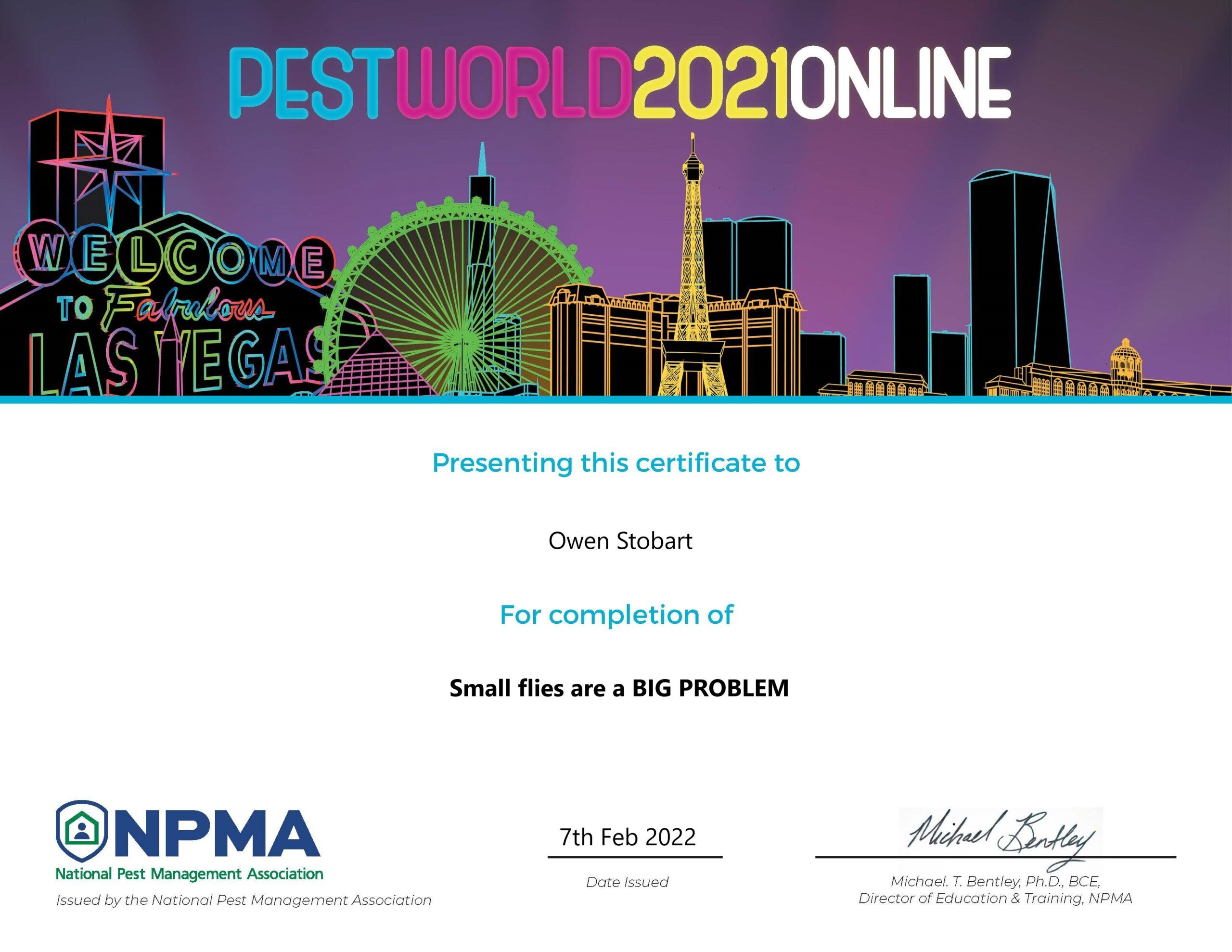
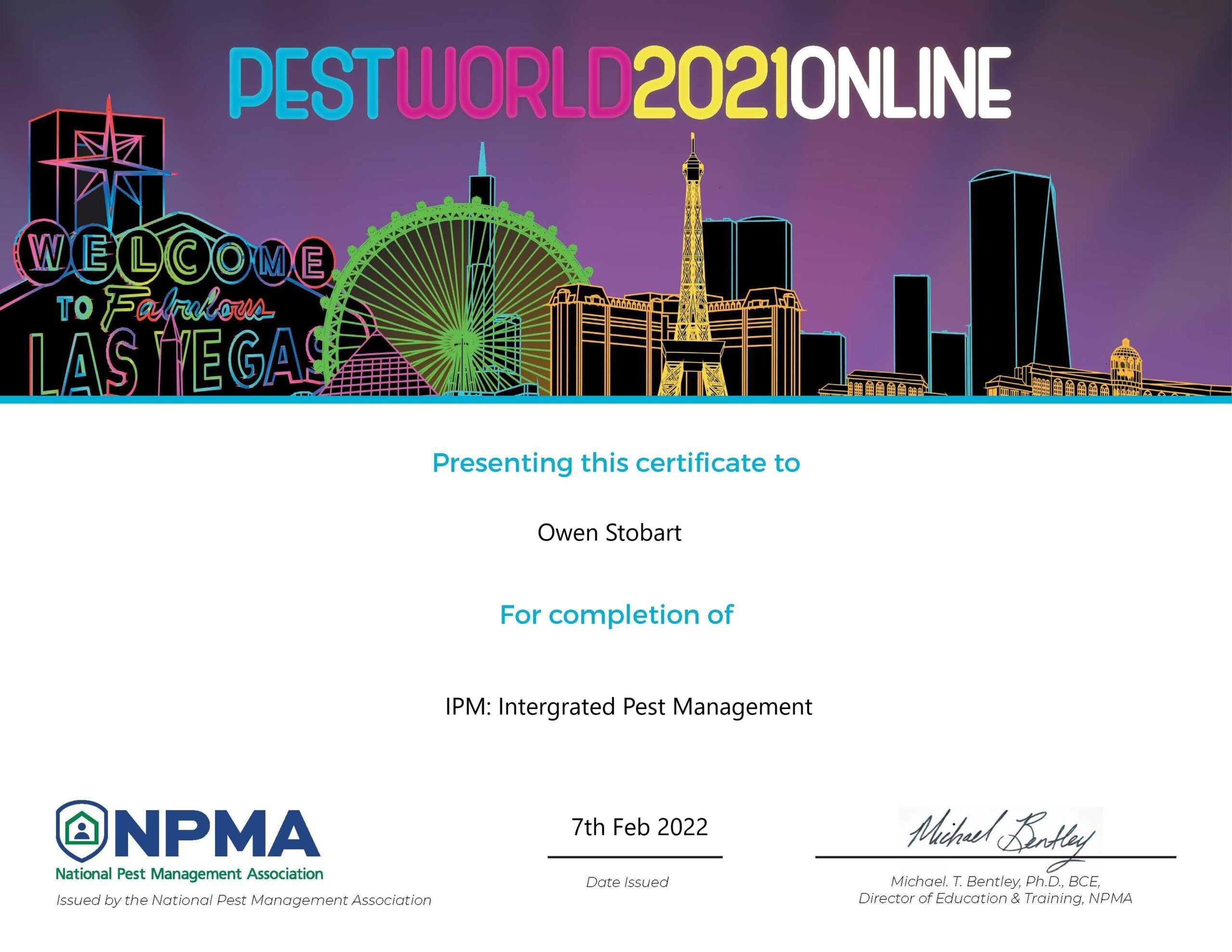
Q: Are your technicians qualified?
A: Yes — all technicians hold relevant qualifications in pest management and entomology. ACES has over 16 years of experience and all work is covered by full public liability insurance.